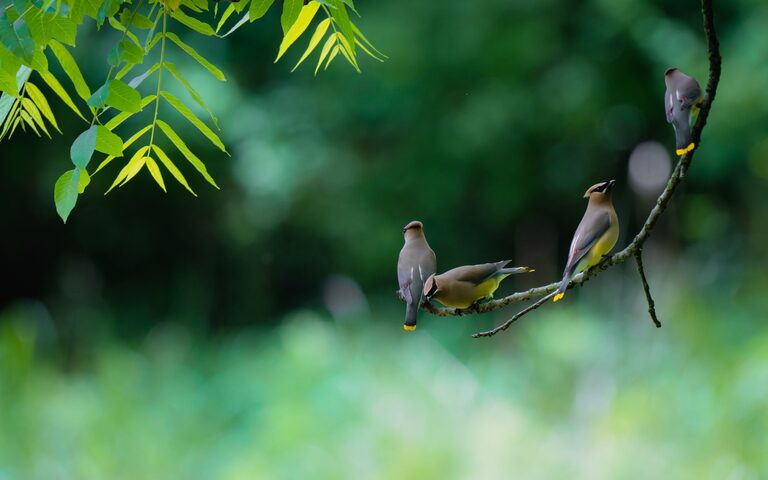
Birdwatching is a rewarding and relaxing hobby that connects you with nature right outside your door. Whether you have a large garden or a small balcony, there are simple ways to attract and observe birds in your backyard. If you’re new to birdwatching, this guide will provide you with beginner-friendly tips to help you get started and make the most of your birdwatching experience.
Why Birdwatch in Your Backyard?
Birdwatching can:
– Bring moments of peace and mindfulness
– Help you learn about local wildlife
– Encourage outdoor time and appreciation for nature
– Provide educational opportunities for children and adults alike
Even if you don’t live in a rural area, many common birds thrive in urban and suburban environments. With a little effort, your backyard can become a lively spot for feathered visitors.
Getting Started: Essential Birdwatching Tips
1. Create a Bird-Friendly Environment
The first step is to make your backyard inviting to birds. Here are some elements to consider:
– Food: Different birds prefer different types of food. Common choices include:
– Black oil sunflower seeds (attracts many species)
– Nyjer seeds (great for finches)
– Suet cakes (ideal for woodpeckers and nuthatches)
– Fruit like oranges or apples for species like orioles and thrushes
– Water: Birds need fresh water for drinking and bathing. A shallow birdbath or even a small fountain can attract them.
– Shelter: Trees, shrubs, and bushes provide shelter and nesting sites. If you have space, plant native species that offer seeds, berries, and safe cover.
2. Choose the Right Bird Feeder
Selecting the proper feeder can influence which birds visit your yard.
– Tube feeders: Great for small songbirds like chickadees and finches.
– Platform feeders: Open trays that attract larger birds.
– Suet feeders: Wire cages that hold suet cakes, popular for woodpeckers.
– Hummingbird feeders: Specialized feeders with red-colored parts for hummingbirds.
Place feeders where you can watch comfortably but avoid placing them too close to windows to prevent bird collisions.
3. Use Binoculars and a Field Guide
– Binoculars: A lightweight pair with 8x or 10x magnification is ideal for birdwatching.
– Field guides: Books or mobile apps can help you identify birds by size, color, songs, and behavior.
4. Learn Basic Bird Identification
Start by familiarizing yourself with common backyard birds in your region. Pay attention to:
– Size and shape
– Plumage colors and markings
– Beak shape
– Behavior and movement
– Birdsong and calls
Taking notes or photos can help you track your observations.
Best Practices for Enjoying Backyard Birdwatching
1. Be Patient and Observant
Birdwatching requires patience. Birds may take time to appear, and sudden movements can scare them away. Stay quiet and still, and enjoy the opportunity to observe birds naturally.
2. Maintain Clean Feeding Areas
Regularly clean feeders and birdbaths to prevent disease spread among birds. Change suet and water frequently, especially in hot weather.
3. Keep a Birdwatching Journal
Record the species you see, the dates, weather conditions, and any interesting behaviors. This can enhance your experience and track changes through seasons.
4. Respect Wildlife and the Environment
Avoid disturbing nests or handling birds. Use soft lighting if watching early in the morning or late in the evening.
Seasonal Tips for Backyard Birdwatching
– Spring and Summer: Look for nesting activity and feeding of fledglings.
– Fall: Migratory birds may pass through; offer high-energy foods like sunflower seeds.
– Winter: Provide extra food and unfrozen water to help birds survive cold months.
Additional Tools and Resources
– Join local birdwatching groups or online forums.
– Attend bird walks or workshops in your community.
– Use smartphone apps such as Merlin Bird ID for quick identification.
Conclusion
Backyard birdwatching is a wonderful way to connect with nature, relax, and learn about the wildlife around you. By creating a welcoming environment, choosing the right feeders, and practicing patience, even beginners can enjoy watching a variety of birds at home. So grab your binoculars, set up a feeder, and start observing the fascinating world of backyard birds today!
About the Author