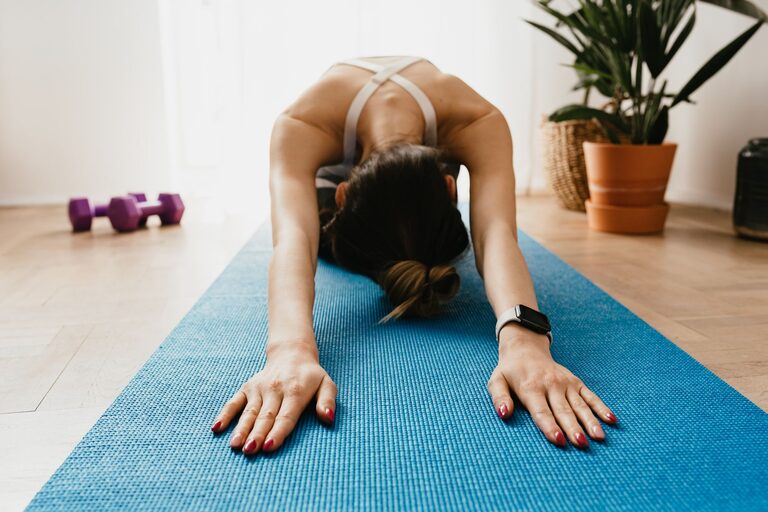
Stretching is a simple yet powerful way to improve your overall health and wellbeing. Whether you want to increase flexibility, reduce muscle tension, or simply feel more relaxed, incorporating stretching into your daily routine can make a big difference. The best part? You don’t need any special equipment or a gym membership to get started. This beginner’s guide will walk you through the basics of stretching at home, including benefits, safety tips, and easy stretches you can do anytime.
Why Stretching Matters
Stretching isn’t just about touching your toes or doing splits. It plays a crucial role in:
– Increasing flexibility: Improving the range of motion in your muscles and joints.
– Reducing muscle stiffness: Loosening tight muscles that result from sitting or inactivity.
– Enhancing circulation: Stimulating blood flow to muscles and joints.
– Improving posture: Helping your body maintain proper alignment.
– Decreasing risk of injury: Preparing muscles for physical activity.
– Promoting relaxation: Reducing stress and tension in your body.
By making stretching a habit, you can support your body’s overall function and feel more comfortable throughout the day.
Getting Started: Tips for Safe Stretching at Home
Before jumping into stretches, keep these safety guidelines in mind to prevent injury:
– Warm up first: Stretching cold muscles can lead to strains. Spend 5 minutes doing light activity such as walking or marching in place before stretching.
– Breathe deeply: Don’t hold your breath. Breathe slowly and evenly throughout each stretch.
– Avoid bouncing: Use slow, steady movements rather than bouncing, which can cause muscle tears.
– Stretch to the point of mild tension: You should feel a gentle pull, not pain. If you feel sharp or intense discomfort, ease off.
– Hold stretches for 15-30 seconds: This allows your muscles to relax and lengthen.
– Stretch both sides: To maintain balance, stretch both your left and right body parts equally.
– Be consistent: Aim for stretching 3-5 times a week for best results.
Essential Beginner Stretches You Can Do at Home
Here are some effective stretches that target major muscle groups. You only need a bit of space and a mat or towel for comfort.
1. Neck Stretch
– Sit or stand tall with your back straight.
– Slowly tilt your head toward your right shoulder until you feel a stretch on the left side of your neck.
– Hold for 20 seconds, then switch sides.
– Repeat 2-3 times.
2. Shoulder Rolls
– Stand or sit with your arms relaxed at your sides.
– Slowly roll your shoulders forward in a circular motion 10 times.
– Reverse and roll backward 10 times.
– This helps release shoulder tension and improve mobility.
3. Chest Opener
– Stand tall and clasp your hands behind your back.
– Straighten your arms and gently lift your hands upward while squeezing your shoulder blades together.
– Hold for 20-30 seconds.
– This stretch opens up the chest and counteracts slouching.
4. Seated Hamstring Stretch
– Sit on the floor with one leg extended straight.
– Bend your other knee and place the sole of that foot against your inner thigh.
– Reach toward the toes of the extended leg, keeping your back straight.
– Hold for 20-30 seconds, then switch legs.
– Helps loosen tight hamstrings and backs of thighs.
5. Cat-Cow Stretch (Spine Mobility)
– Begin on all fours with wrists under shoulders and knees under hips.
– Inhale: Arch your back, lifting your head and tailbone toward the ceiling (Cow Pose).
– Exhale: Round your spine with your chin toward your chest (Cat Pose).
– Repeat this flow slowly 10 times.
– This stretch promotes spinal flexibility and eases back tension.
6. Hip Flexor Stretch
– Kneel on your right knee with your left foot flat in front, creating a 90-degree angle with both legs.
– Shift your weight forward gently until you feel a stretch in the front of your right hip.
– Hold for 20-30 seconds, then switch sides.
– Important for people who sit a lot, as it releases tight hips.
7. Child’s Pose
– Kneel on the floor and sit back onto your heels.
– Extend your arms forward on the floor and lower your forehead down.
– Hold this gentle stretch for 30 seconds or longer.
– It helps relax the back, hips, and shoulders.
Creating a Simple Stretching Routine
To get started, try this beginner-friendly routine that takes about 10-15 minutes:
- Warm up with 3-5 minutes of light movement (walking, jogging in place).
- Perform each stretch listed above, holding for 20-30 seconds.
- Remember to stretch both sides of the body.
- Finish with deep breaths and gentle movements.
You can do this routine daily or at least three times a week. Increase duration or add more stretches as you become more comfortable.
When to Avoid Stretching or Seek Advice
Stretching is generally safe, but if you experience any of these, consult a healthcare professional:
– Sharp or severe pain during stretches.
– Recent injuries or surgery.
– Chronic conditions affecting muscles or joints.
– Severe swelling or bruising.
Final Thoughts
Stretching at home is an accessible and effective way to improve your flexibility, reduce muscle tension, and promote relaxation. With simple exercises and a few minutes each day, you can build a healthy habit that benefits your body and mind. Remember to listen to your body, progress gradually, and enjoy the process of moving more freely. Your body will thank you!
About the Author