
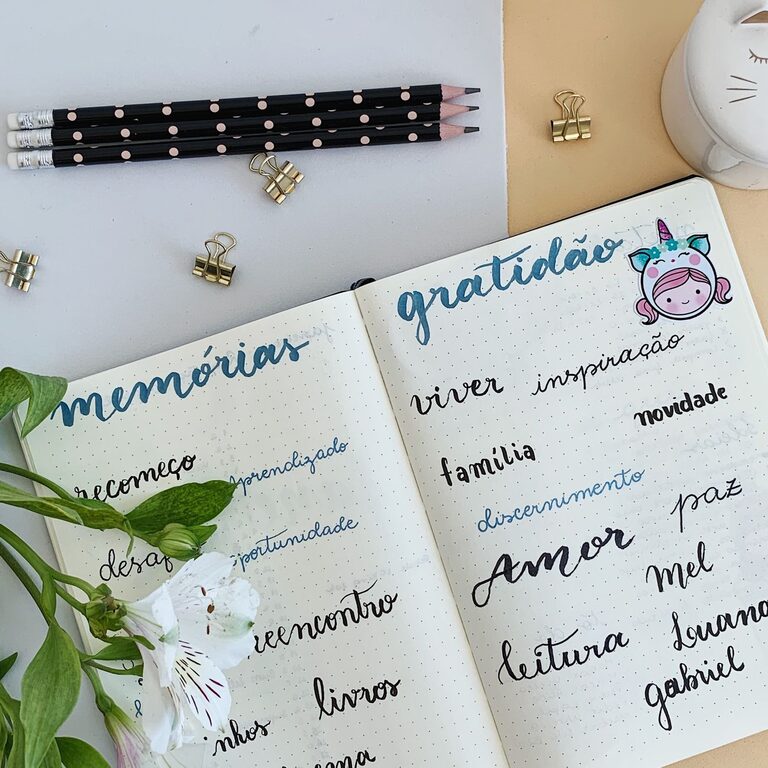
Journaling is a powerful tool that can help you reflect, organize your thoughts, and improve your mental clarity. If you’ve ever wanted to start keeping a daily journal but didn’t know where to begin, this beginner guide will walk you through everything you need to know to build a consistent and enjoyable journaling habit.
Why Journal Every Day?
Journaling daily offers many benefits:
– Enhances self-awareness: Writing regularly allows you to understand your emotions and thought patterns better.
– Reduces stress: Putting your worries on paper can be a calming practice.
– Boosts creativity: Freewriting encourages new ideas and artistic expression.
– Improves memory and focus: Journaling can help sharpen your cognitive skills.
– Tracks progress: Documenting goals and daily activities helps measure personal growth.
Starting small and journal every day can lead to positive changes over time.
Choosing Your Journaling Tools
Before you begin, decide on what you want to use for journaling. Here are some common options:
Traditional Paper Journals
A notebook or diary is tactile and simple. Many people find that physically writing with a pen helps them focus.
Digital Journals
Apps and word processors can be convenient, especially if you prefer typing. Some apps offer prompts, reminders, and password protection.
Mixed Approach
Some use paper for creative freewriting and digital tools for goal tracking or quick notes.
Select what feels comfortable and accessible so you can stick to the habit.
Setting Up Your Journaling Routine
Consistency is key to making journaling a daily habit. Here’s how to create a routine:
Pick a Time
Choose a specific time each day that suits you best—morning, lunch break, or before bed. Linking journaling with an existing habit, like drinking your morning coffee, helps establish a ritual.
Start Small
Begin with as little as 5 minutes or 100 words. Don’t pressure yourself to write perfectly or at great length.
Find a Quiet Space
Having a comfortable, distraction-free spot encourages focus and relaxation.
Use Prompts When Stuck
Writing prompts can spark ideas when you don’t know what to write. Examples include:
– What am I grateful for today?
– What challenges did I face and how did I overcome them?
– What is one thing I want to improve?
Types of Journaling to Explore
Journaling comes in many forms. Trying different styles can keep it interesting.
Free Writing
Write whatever comes to mind without editing or judgment.
Gratitude Journaling
List things you’re thankful for each day to cultivate positivity.
Reflective Journaling
Analyze your thoughts, feelings, and experiences.
Goal Journaling
Track your progress toward personal or professional goals.
Bullet Journaling
Use bullet points, symbols, and charts to organize tasks and thoughts.
Tips for Staying Motivated
– Be gentle with yourself: Missing a day is okay; just get back on track.
– Review your entries regularly: Seeing your growth can be encouraging.
– Mix up styles: Keep it fresh with different approaches.
– Share with a friend: Sometimes sharing your journaling practice provides accountability and inspiration.
– Celebrate milestones: Reward yourself for sticking to the habit after one week, one month, etc.
Overcoming Common Challenges
Writer’s Block
If you can’t think of what to write, try free association or answer simple questions about your day.
Feeling Self-Conscious
Remember your journal is for your eyes only. Write honestly without worrying about judgment.
Lack of Time
Keep a small journal handy to jot down quick thoughts when busy.
Final Thoughts
Journaling every day is a simple habit with many benefits for your mental and emotional health. With just a few minutes daily, you can build self-awareness, reduce stress, and spark creativity. The key is to start small, find a routine that fits your lifestyle, and be kind to yourself on this new journey. So grab a notebook or open a new file, and begin your daily journaling adventure today!
About the Author